- Response: For a young girl growing up in America, which is known as the land of opportunity and diversity, Firoozeh struggles with issues revolving around acceptance among her peers. For anyone, not just people of foreign descent, one main thing we, as humans, strive for is to feel accepted and desired by others. If one feels that their identity is being threatened by the social confines of a culturally bias society, it can affect that person's mental stability immensely. For Firoozeh, she felt uncomfortable being herself in classrooms and social situations, which is why she adopted the name "Julie" to fit in better with her peers. Having to hide a huge part of your identity, such as the name you were given at birth, can be mentally exhausting. In her words, she described it as being a character in a soap opera that has to be two people at once, but never letting the two be somewhere at the same time. This analogy only reinforces the strain that just her name alone had on her everyday life.
Quote 2: "Every once and a while, though, somebody comes up with a new permutation and I am once again reminded that I am an immigrant with a foreign name."
- Response: The pressure that is put on Julie to fit into a mold created by society's idea of what it means to be "normal" leads her to be consistently reminded of just how different her culture is than the "american norm" when she has to use her real name. Despite having a different background, it does not make her any less american than anyone else. While it is understandable for some people to not be able to pronounce her name accurately, I can definitely see why she would feel alienated and annoyed by the perpetual reminder that her name is not normal compared to most americans.
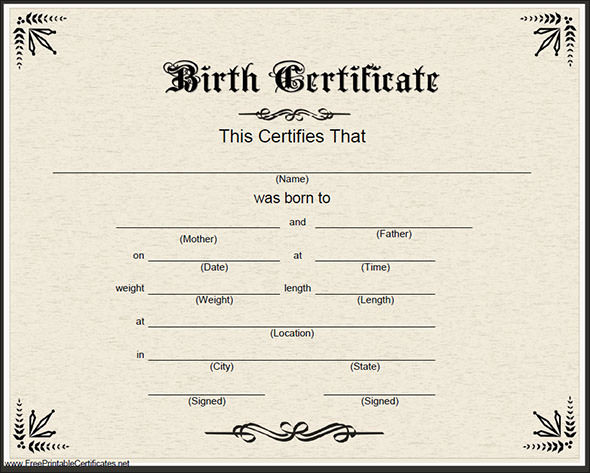
A person's name says a lot about him or her. It can indicate their cultural upbringing, their style, their religion...but most importantly it is their identity. This is why when parents are choosing a name for their child, it is often a hard decision to make since it is a life long commitment. The name you are given at birth signifies much more than what is written on a certificate. It represents your parents personalities and sometimes origins of distant family history.
I would personally never change my name. My parents named me after my mother's grandmother who passed shortly before I was born, so my name in itself holds a lot of sentimental meaning to my family. I also have had this name my whole life so I can't even imagine having to respond to any other name.
 The author definitely added some deep points about the severity of what shunning a name can do to a person's mental health. I think that this story is important for people to read because so often, in america, people make racial comments towards other cultures, ethnicities, or even appearances just based on the belief that anyone in a certain culture or religion all believe the same things. If that is true, then I wonder how there is an apparent divide between people who do and do not support gay marriage in the catholic church. People need to realize that being a part of a certain religion or affiliation does not mean that all of those people worship in the same ways. It also does not mean that those people necessarily have all the same beliefs as people who are causing harm to others.
 Stereotyping based on a person's name will always be an issue. Stereotyping in general will also always be an issue. The problem is that people are very stubborn when it comes to issues based on politics and religion and personal thoughts on racial situations. Even people who mean well can accidentally stereotype a person if they simply cannot pronounce his or her name and make a joke about it. Maybe if more americans were better educated on different cultures, it would be easier for people to not only pronounce names correctly, but also break the confines of the stereotypical wall that has been built up by people who couldn't care less about any other culture other than their own. Every person at some point in their life has been both a victim and guilty of stereotyping, but becoming a more culturally diverse country would help to solve this issue of race and ethnicity.
Notes On Freakenomics:
- cultural segregation is the cultural gap between white people and black people
- black americans are more likely to give their kids more unique names
- people with black names are 33% less likely to get called back for an interview
- a name can influence your ability to get a job
- the name you are given cannot influence if you will or will not become a screw up
Thoughts on the documentary: I think that this documentary was trying to express to people that the stereotyping that is associated with a person's name has become an issue in today's society. For a person who is completely qualified for a job position, but is less likely to receive the job, only adds to the unfairness of the process of looking for a job. For instance, a man named "Tyrone" is less likely to get a job than a man named "Todd" even if they have all the same credentials and are equally as fitted for the same position, simply because his name is associated with black culture.

No comments:
Post a Comment